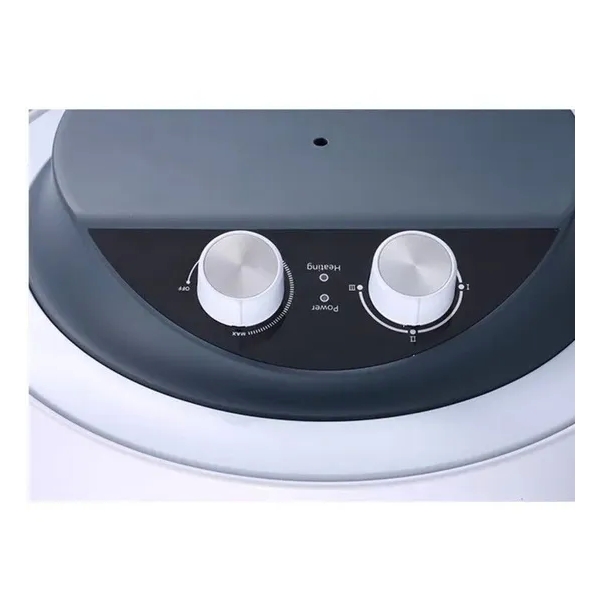
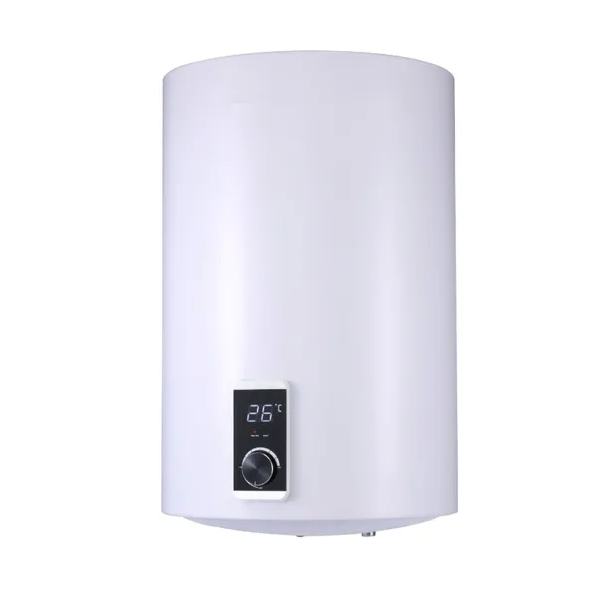
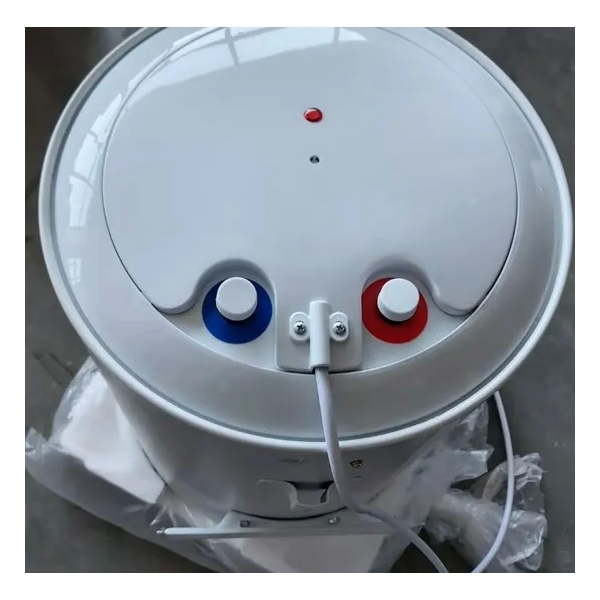
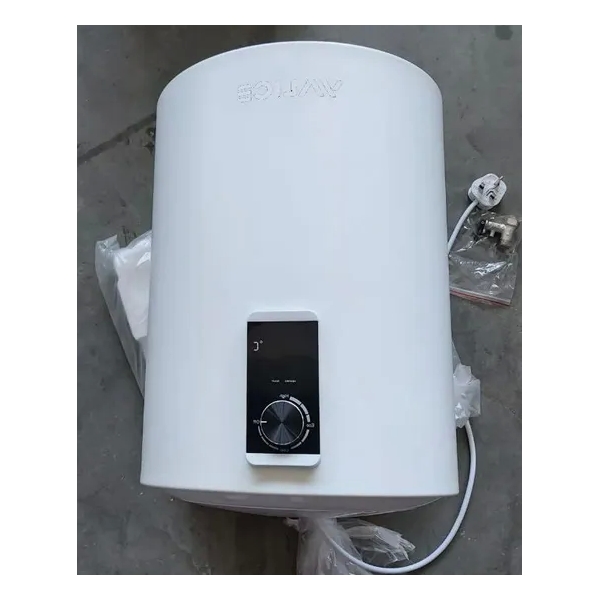
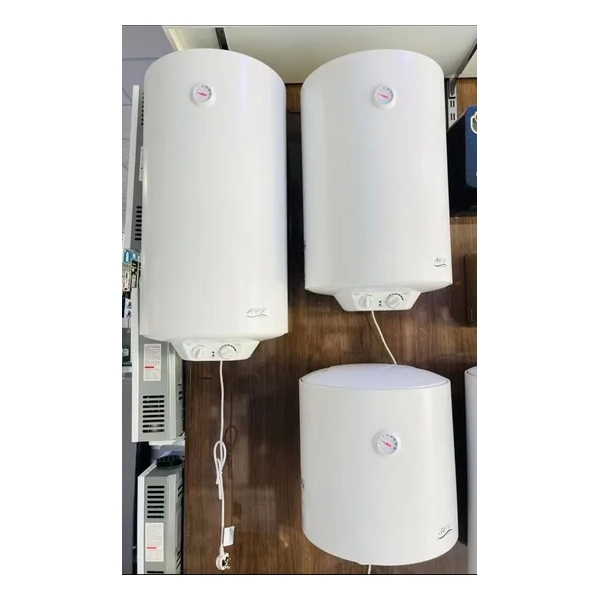
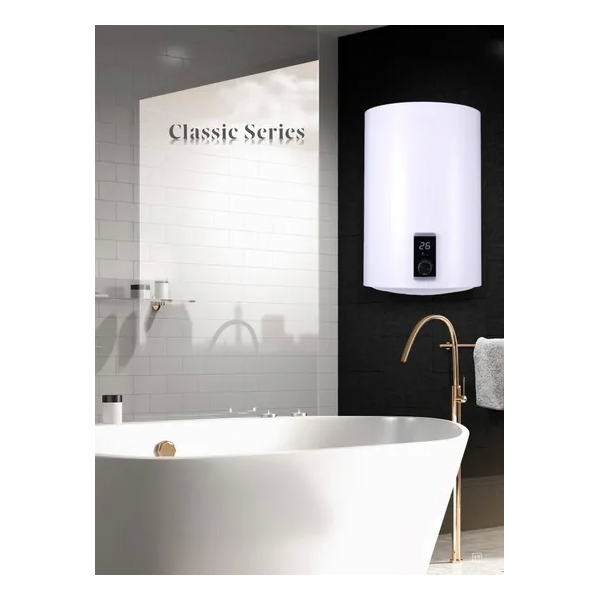
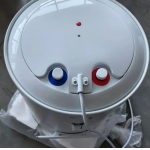
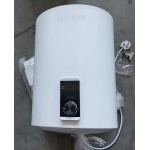
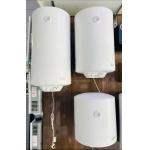
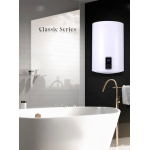
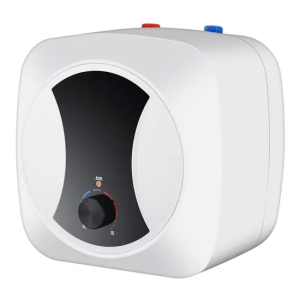
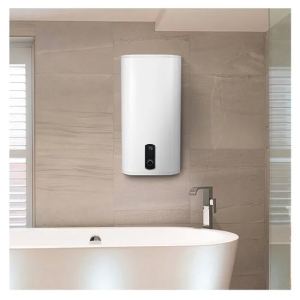
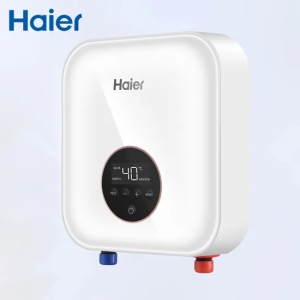
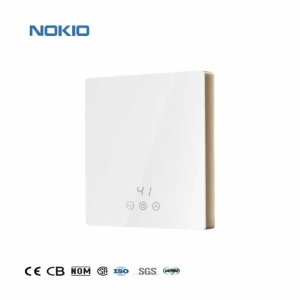
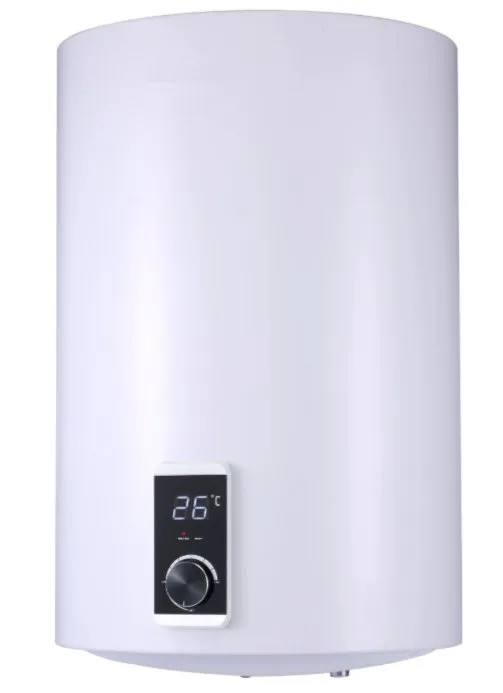
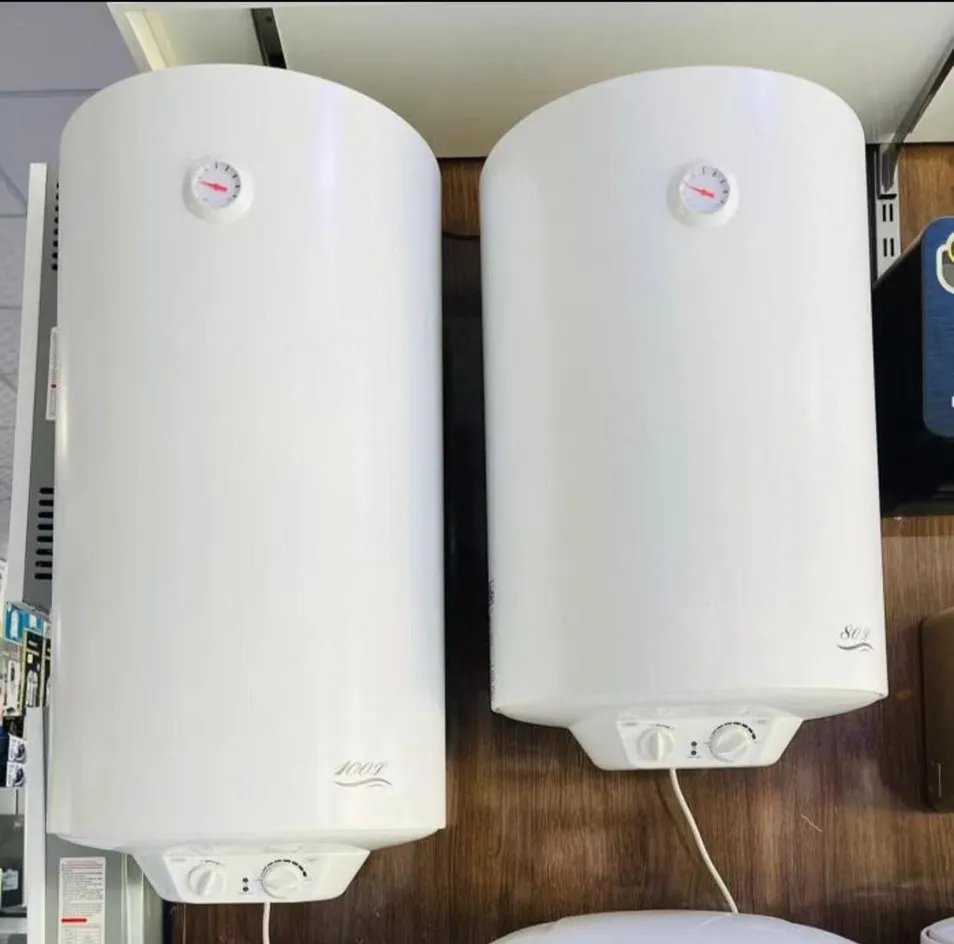
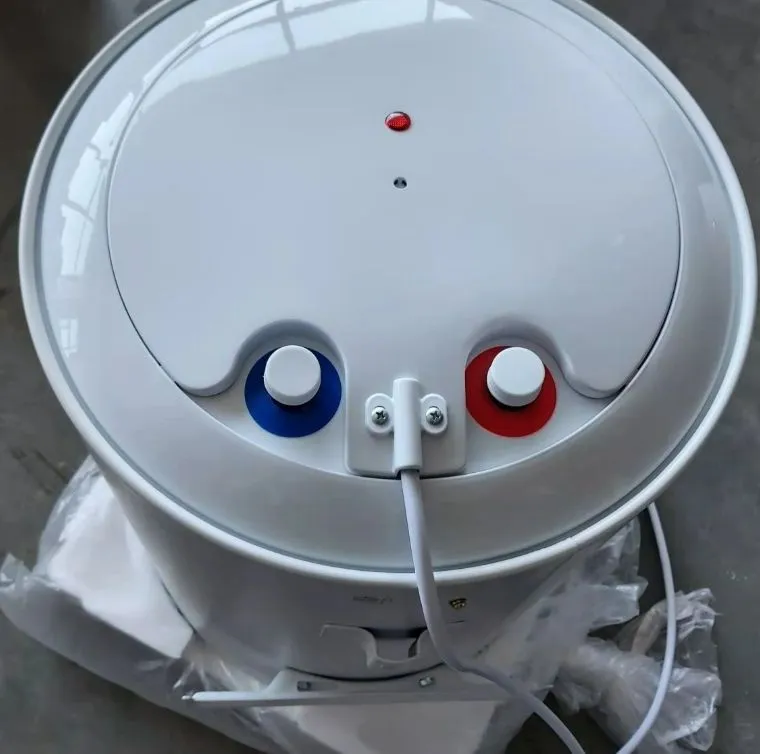
Hot Product Easy Installation Electric Water Heater for Bathroom
$
38.00
/set
Product Details
- Installation: Vertical Type
- Pressure: Pressurized
- Bearing or Not: Closed
- Control Mode: Mechanical
- Interior Material: Enamel

Find Similar Products


Basic info
Installation
Vertical Type
Pressure
Pressurized
Bearing or Not
Closed
Control Mode
Mechanical
Interior Material
Enamel
Housing Material
Stainless Steel
Usage
Bathroom
Certification
CE
Transport Package
Carton Box
Specification
49.5X49.5X97 cm
Trademark
zhenfulong
Origin
Ronggui Street,Shunde District,Guangdong Province,
HS Code
8516101000
Production Capacity
10000PCS/Month
Product Description
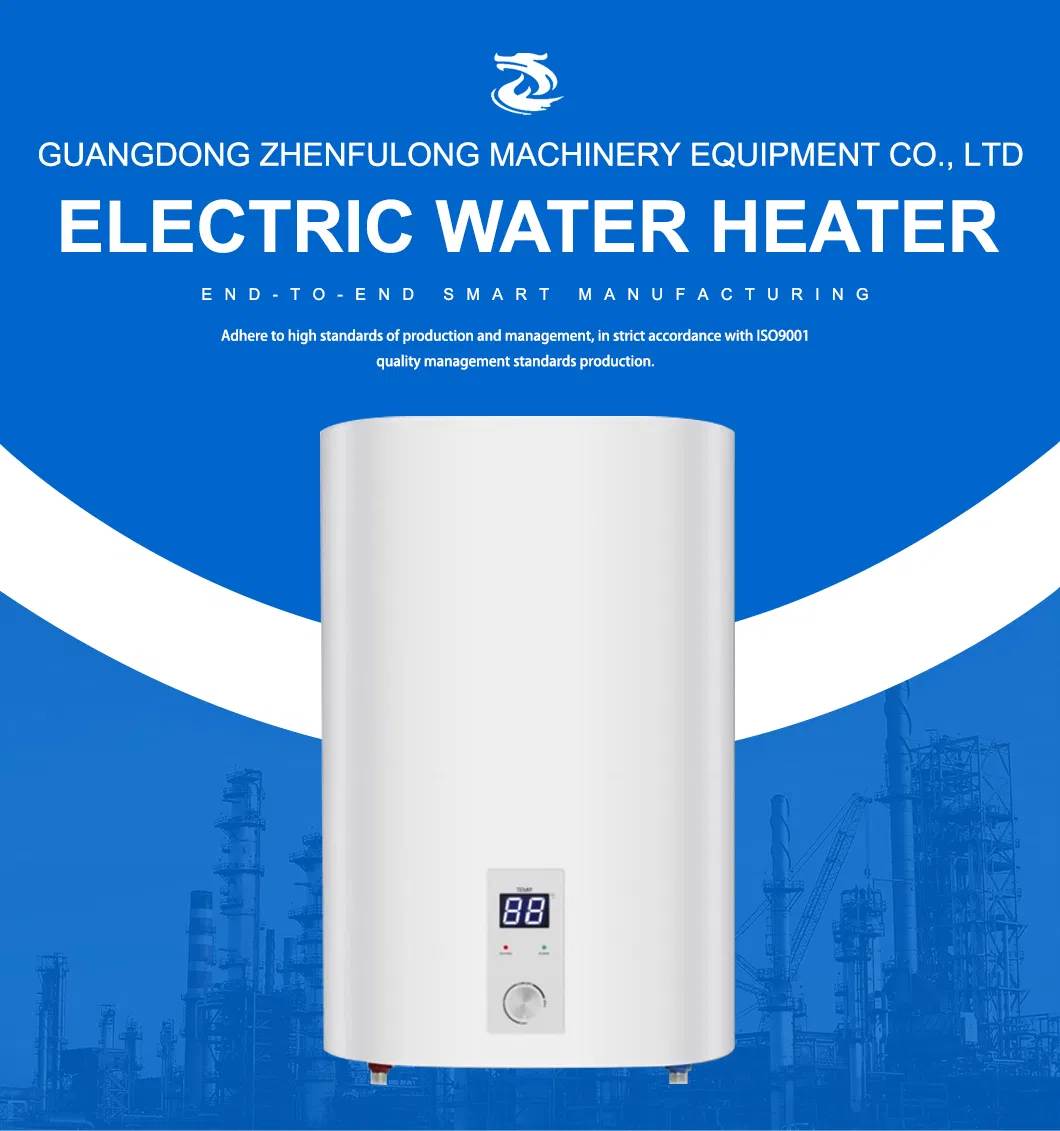

Electric Water Heater
An electric water heater is a water heater that uses electricity as an energy source for heating, and is one of the three major water heaters alongside gas and solar water heaters. The following is the introduction of electric water heater:
Storage-type electric water heater: according to the installation method can be divided into wall-mounted and floor-standing type, the volume is usually 40L-100L and more than 100L. With easy installation, large water output, stable water temperature and so on, but the heating speed is slow, waiting time is longer, and need to preheat before use, can not be used continuously beyond the rated capacity of water.
Instantaneous electric water heater: generally needs 20 amps or even more than 30 amps of current, that is, open that is hot, the water temperature is constant, high heating efficiency, installation space is small, can be used for showering and washing, energy saving and environmental protection, but the power is larger, the line requires high.
Heating principle: through the heating element will be converted into thermal energy to heat the water, common heating elements are electric heaters and PTC elements. The heating process is controlled by the thermostat, when the temperature does not reach the preset value when the heating element works, after reaching it, it stops working.
Storage-type electric water heater: according to the installation method can be divided into wall-mounted and floor-standing type, the volume is usually 40L-100L and more than 100L. With easy installation, large water output, stable water temperature and so on, but the heating speed is slow, waiting time is longer, and need to preheat before use, can not be used continuously beyond the rated capacity of water.
Instantaneous electric water heater: generally needs 20 amps or even more than 30 amps of current, that is, open that is hot, the water temperature is constant, high heating efficiency, installation space is small, can be used for showering and washing, energy saving and environmental protection, but the power is larger, the line requires high.
Heating principle: through the heating element will be converted into thermal energy to heat the water, common heating elements are electric heaters and PTC elements. The heating process is controlled by the thermostat, when the temperature does not reach the preset value when the heating element works, after reaching it, it stops working.

Item |
Specification |
|||
Rated Power(W) |
1500W~2000W |
|||
Voltage(V) & Frequency(Hz) |
AC220V~240V/50Hz, 60Hz |
|||
Rated Pressure(MPa) |
0.75 MPa |
|||
Temperature Range(℃) |
30~75℃ |
|||
Capacity(L) |
30 |
50 |
80 |
100 |
Net Size(mm) |
450*240*570 |
450*240*870 |
530*290*955 |
530*290*1155 |
Packing Size(mm) |
505*295*625 |
505*295*925 |
585*335*1020 |
585*335*1220 |
Load QTY(20'GP/40'GP/40'HQ) |
309/631/716 |
218/403/470 |
134/280/335 |
106/221/268 |

1. Which manual operations can automation equipment replace?
Mainly replaces highly repetitive, precision-demanding, labor-intensive, or hazardous operations such as assembly, welding, material handling, sorting, packaging, and inspection. Particularly suitable for electronics, automotive, food, pharmaceuticals, and similar industries.
2. What levels of precision and efficiency can the equipment achieve?
Precision varies by equipment type. For example, precision assembly equipment can achieve repeat position accuracy of ±0.01mm, while welding robots achieve path accuracy of ±0.1mm. Efficiency is typically 3-10 times higher than manual labor and supports 24/7 operation, depending on production scenarios.
3. Does the equipment support flexible production (multi-variety, small-batch switching)?
Modern automation equipment (e.g., robots, smart production lines) often supports flexibility. Quick changeovers for diverse products are achieved through programming or fixture replacement, meeting customized production needs.
4. Can we directly install automation equipment into our existing production line?
Requires evaluation of current line layout, processes, and product characteristics. Most scenarios allow customization for compatibility, though complex cases may require partial line modifications.
5. What skill level is required to operate the equipment?
Basic operations (startup, shutdown, daily checks) require minimal training. Programming and maintenance need professionals, but enterprises can opt for training services or supplier-provided technical support.
6. What is the typical payback period for automation upgrades?
Usually 1-3 years, depending on equipment investment, labor cost savings, and productivity gains. Labor-intensive industries or high-capacity enterprises experience shorter payback cycles.
Mainly replaces highly repetitive, precision-demanding, labor-intensive, or hazardous operations such as assembly, welding, material handling, sorting, packaging, and inspection. Particularly suitable for electronics, automotive, food, pharmaceuticals, and similar industries.
2. What levels of precision and efficiency can the equipment achieve?
Precision varies by equipment type. For example, precision assembly equipment can achieve repeat position accuracy of ±0.01mm, while welding robots achieve path accuracy of ±0.1mm. Efficiency is typically 3-10 times higher than manual labor and supports 24/7 operation, depending on production scenarios.
3. Does the equipment support flexible production (multi-variety, small-batch switching)?
Modern automation equipment (e.g., robots, smart production lines) often supports flexibility. Quick changeovers for diverse products are achieved through programming or fixture replacement, meeting customized production needs.
4. Can we directly install automation equipment into our existing production line?
Requires evaluation of current line layout, processes, and product characteristics. Most scenarios allow customization for compatibility, though complex cases may require partial line modifications.
5. What skill level is required to operate the equipment?
Basic operations (startup, shutdown, daily checks) require minimal training. Programming and maintenance need professionals, but enterprises can opt for training services or supplier-provided technical support.
6. What is the typical payback period for automation upgrades?
Usually 1-3 years, depending on equipment investment, labor cost savings, and productivity gains. Labor-intensive industries or high-capacity enterprises experience shorter payback cycles.
7. What is the warranty period, and what after-sales services are provided?
Standard warranty is 1-2 years, extendable for core components. Services include installation, troubleshooting, spare parts replacement, and remote support; some suppliers offer regular maintenance.
8. What is the response time for equipment failures?
Reputable suppliers commit to 24-hour response; local service points provide on-site repair within 48 hours. Remote diagnosis is prioritized for remote areas before dispatching engineers.
9. Do you provide equipment upgrades or re-engineering services?
Most suppliers support upgrades (software updates, feature expansions). If production needs significantly change, re-engineering or retrofitting based on new process requirements is available.
10. Is automation equipment more energy-intensive than manual labor?
Initial energy consumption may increase due to machine operation, but long-term comprehensive energy use (including labor and material waste) decreases through efficiency gains and defect reduction. Aligns with energy-saving trends.
11. Is automation suitable for small-to-medium enterprises (SMEs)?
Yes. Cost-effective solutions (e.g., compact robots, modular equipment) now exist for SMEs, with lower upfront investment. Significantly enhances production stability, especially for enterprises with steady order volumes.
Standard warranty is 1-2 years, extendable for core components. Services include installation, troubleshooting, spare parts replacement, and remote support; some suppliers offer regular maintenance.
8. What is the response time for equipment failures?
Reputable suppliers commit to 24-hour response; local service points provide on-site repair within 48 hours. Remote diagnosis is prioritized for remote areas before dispatching engineers.
9. Do you provide equipment upgrades or re-engineering services?
Most suppliers support upgrades (software updates, feature expansions). If production needs significantly change, re-engineering or retrofitting based on new process requirements is available.
10. Is automation equipment more energy-intensive than manual labor?
Initial energy consumption may increase due to machine operation, but long-term comprehensive energy use (including labor and material waste) decreases through efficiency gains and defect reduction. Aligns with energy-saving trends.
11. Is automation suitable for small-to-medium enterprises (SMEs)?
Yes. Cost-effective solutions (e.g., compact robots, modular equipment) now exist for SMEs, with lower upfront investment. Significantly enhances production stability, especially for enterprises with steady order volumes.